19 November 2026
Comparing Expenses: Memory Care vs Assisted Living for Senior Citizens with Cognitive Requirements
Presented by @deanrxmf044
Business Name: Hearthstone South Weber
Address: 6980 S 475 E, South Weber, UT 84405
Phone: (385) 380-3382
Hearthstone South Weber
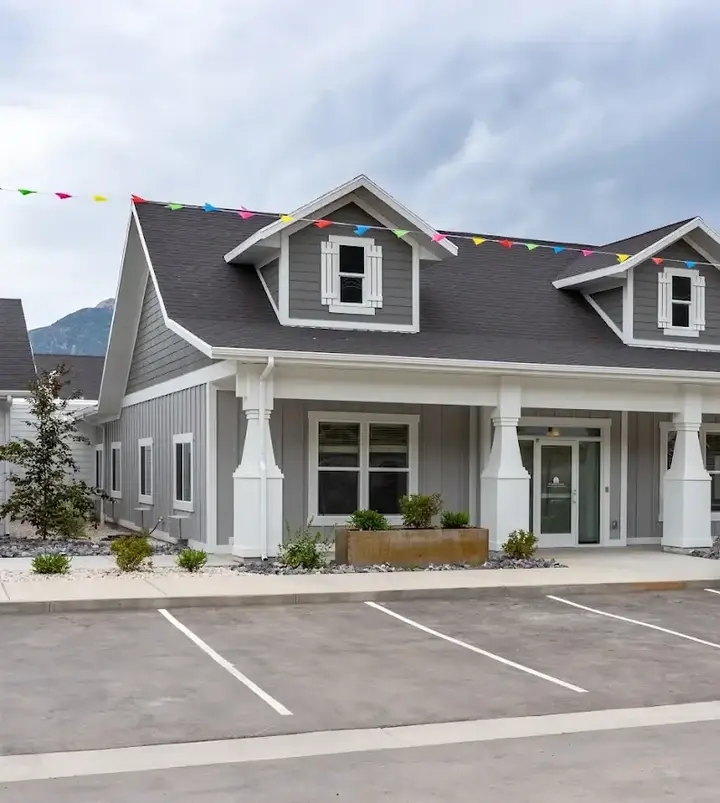
Our assisted living and memory care community sits in a quiet South Weber neighborhood at the mouth of Weber Canyon, minutes from Ogden Regional Medical Center and close to family across Davis and Weber counties. We offer Assisted Living private studio apartments for seniors who want independence with a helping hand: medications, bathing, dressing, meals, and housekeeping. We also provide Memory Care secure, calm setting with structured routines and 24/7 supervision for residents living with Alzheimer's disease or other dementia. We've cared for residents here since 2019, with attentive caregivers, home-cooked meals, and a calendar full of things to look forward to.
6980 S 475 E, South Weber, UT 84405
Business Hours
Families do not comparison look for senior care in a vacuum. They are frequently doing it after a scare, or at the end of a long stretch of overdue caregiving. The seriousness is genuine, however the prices is nontransparent. Memory care and assisted living appearance comparable from the outdoors, yet they are developed and staffed in a different way, and that distinction appears on the expense. The ideal setting can stabilize a person who is declining from dementia. The wrong fit can drain cost savings without resolving the issue that triggered the move.
I have actually explored hundreds of communities with families, negotiated rates, combed through service plans, and viewed elders do much better or even worse depending upon the match. Expenses vary commonly by market and company, but the patterns are consistent sufficient to build a working model. The objective here is not to crown a winner. It is to help you understand what you are paying for, when the premium for memory care makes good sense, and how to anticipate the true month-to-month cost as soon as all line items are added.
What you are comparing, really
Assisted living and memory care often share a roof, a kitchen, and an activities director. Beneath, they run two different operating models.
Assisted living is developed for older grownups who require help with activities of daily living like bathing, dressing, and medication tips, but who can follow directions, make basic decisions, and stay reasonably safe with periodic supervision. Care is scheduled and foreseeable. Cueing works.
Memory care is constructed around cognitive problems, particularly Alzheimer's and associated dementias. It includes secure borders, modified environments and dining, more regular staff contact, trained dementia care methods, and shows that minimizes distress habits. Care is anticipatory and frequent. Cueing might not work, so staff step in earlier and more often.
That shift from intermittent aid to constant guidance drives staffing costs, and staffing is the largest expenditure in any care setting. The cost space streams from there.
Typical regular monthly price, with truthful ranges
National datasets put assisted living monthly means in the $4,000 to $6,000 range, with huge city markets and coastal states pressing higher. In the exact same markets, memory care normally runs 20 to 40 percent more, often landing between $5,000 and $9,000 each month. In high-cost metros, I consistently see assisted living beginning around $6,000 to $7,500, and memory care from $7,500 to $11,000. In smaller Midwestern towns, it is not uncommon to discover assisted living around $3,800 to $4,800 and memory care from $5,000 to $6,500.
These are base rates. The final expense is developed on top of them, and this is where households get shocked. Many neighborhoods price quote a beginning apartment or condo cost that consists of rent, meals, basic housekeeping, and utilities. Then they layer on care charges that depend upon an evaluation. Memory care typically packages more into its base to simplify billing, but not always.
What develops the gap
Memory care expenses more due to the fact that it provides a different level of control and supervision. Here is what normally drives the premium, beyond marketing language.
-
Staffing intensity. In assisted living, daytime staffing typically looks like one caregiver for 12 to 18 locals, with med techs and nurses drifting. Over night ratios stretch further. In memory care, daytime ratios of one caretaker for 6 to 10 residents prevail, often tighter in smaller sized wings, and nights may be 1 to 10 or 1 to 12. Those additional hands show up in payroll.
-
Training and program design. Dementia care personnel receive specialized training on de escalation, redirection, and non pharmacologic strategies. Programs arrange short, structured activities that match attention spans, with purposeful repetition. That preparation time is part of the operating cost.
-
Environmental controls. Guaranteed doors, roam management systems, enclosed yards, visual hints, lowered glare lighting, and streamlined layout minimize risk and agitation. Structure and preserving those features is capital intensive.
-
Dining and medication methods. Modified menus, high calorie finger foods, hydration rounds, smaller dining rooms, and co dining with personnel minimize weight reduction and choking threat. More frequent med passes and crushed or liquid forms increase staff time.
-
Behavior assistance. When exit seeking, sleep inversion, or sundowning is present, care plans add check ins and interventions that an assisted living wing can not reliably staff.
Providers do not all execute these elements with the very same rigor. A real memory care home feels different the minute you get in. If it does not, you may be paying a premium for a label instead of a model.
How pricing models work under the hood
Communities make money and cover staffing in numerous methods. Comprehending their model helps you forecast the bill.
A la carte assisted living rates begins with a base lease and adds care levels, frequently connected to a point system. Each task, such as aid with bathing or insulin administration, brings points. The overall maps to a level that includes a regular monthly cost. Medication management is generally a different charge, with cost leaps based upon the number of meds or passes daily. Incontinence care costs can be flat or per episode, and materials may be billed separately. You may likewise see charges for accompanying to meals, transfer help, or extra housekeeping if mess and spills are frequent.
All inclusive memory care, typical however not universal, covers most everyday care into a single rate. Even then, some services sit outside the package, like injections, complex injury care, one to one supervision for high fall danger, or transport to frequent consultations. When memory care uses levels, the increments between tiers are generally steeper than in assisted living because staffing modifications drive the delta.
Across both settings, expect a one time neighborhood fee at move in, commonly $2,000 to $6,000. Some communities discount rate or waive this for quick move ins or throughout sluggish seasons. 2nd individual fees for couples can add $800 to $1,500 month-to-month in assisted living and are less common in memory care, where apartment or condos are frequently personal studios. Annual rent increases of 3 to 8 percent are typical. Request the historical average at that home, not the business wide talking point.
The ignored costs in your home, and why they matter to the comparison
Families frequently measure assisted living versus rent and groceries, then choose to wait. A much better comparison includes the value of overdue caregiving, the cash cost of hired aid, and the threats of a home that is no longer safe.
Non medical home care averages $28 to $40 per hour in many markets, higher in big cities. Even 12 hours a day of protection runs $10,000 to $14,000 per month, and 24 hour protection, if you can staff it, can surpass $20,000. Add medication setup by a nurse, incontinence materials, fall sensing units, and a couple of thousand dollars in home adjustments for grab bars, lighting, and door alarms. For couples, care in your home can make psychological and financial sense longer, however the mathematics shifts fast when dementia progresses.
I have watched spouses attempt to anchor overnight care by themselves, only to drop off to sleep throughout the crucial 1 a.m. To 4 a.m. Window when a partner with sundowning wanders or rummages. A single injury or hospitalization erases the cost savings from delaying a move.
When memory care is worth the premium
A resident with early stage cognitive disability might grow in assisted living if the group can cue efficiently, the environment is calm, and the person participates in programs. The monthly savings can be meaningful. But certain patterns inform me memory care will be the better buy even if it looks more expensive on paper.
Exit seeking. If somebody attempts doors, follows personnel into service passages, or fixes on leaving, a secure memory care environment spares you the cost of private caretakers layered on top of assisted living.
Unpredictable nights. Sleep inversion interferes with whole buildings. Memory care staff expect it, schedule for it, and have safe spaces for pacing.
Disinhibited or aggressive behaviors. A memory care home with qualified staff checks out the behavior as communication and responds without embarassment or punishment. Assisted living typically escalates to 911 or discharge.
Meal refusal or weight-loss. Memory care dining rooms are smaller sized and calmer, with personnel who will sit and eat with homeowners to cue bites, use finger foods, and attempt once again an hour later. Those touches stabilize weights and decrease healthcare facility journeys for dehydration.
Repetitive calls and alarms. In assisted living, a resident who presses the call pendant every ten minutes will either be labeled hard or will need a private caretaker. Memory care creates the day to remove the trigger.
I remember a retired engineer who moved into assisted living after a fall. He had mild memory loss and did fine for six months. Then he began taking tools off the upkeep cart and "fixing" the door hardware. The community reacted with reminders and warnings, then a notification that he would require to work with a 1 to 1 buddy. We moved him to the memory care wing next door. The team offered him a safe workbench with disassembled radios and assigned him as an "advisor." His expense went up by $1,200 a month, but we eliminated $8,000 in sitter expenses and the continuous friction disappeared.
What you get for your cash in a strong memory care program
Look for nuts and bolts that do not show up in shiny pamphlets. Ask to stroll the system at shift modification and at supper, not only at 10 a.m. When whatever is peaceful. You ought to see personnel using names, crouching to eye level, and providing two clear options instead of open ended questions. The schedule should duplicate breakfast, activity, rest, and outside time in a predictable rhythm, not random crafts. Back of home storage should be locked or supervised so citizens do not rummage in chemicals or linens. The nurse must bring an easy, present lineup of known behaviors and convenience routines.
Good memory care lowers hospitalizations by noticing urinary system infections early, keeping hydration, and preventing falls through regular check ins and proper shoes. It also safeguards the self-respect of homeowners who can no longer self supporter. That is the value proposition beyond square video and chandeliers.
How community type impacts price
Standalone memory care communities operate just dementia care, frequently in smaller sized, purpose built buildings. They tend to have tighter staffing ratios and more constant shows. Pricing is normally all inclusive or has less levels. They can be leaner on amenities like pool tables and hair salons because their worth beings in care, not in resort features. Rates are typically mid to high for the marketplace, but worth per dollar is strong when dementia is moderate to advanced.
Memory care areas within a bigger assisted living let couples stay on one school, which can preserve regimens and reduce household travel time. The staffing model can be great, but sometimes the memory care wing inherits practices from the assisted living side that are not dementia particular. Prices follow the brand and building, often 5 to 10 percent above standalone competitors for comparable care.
Small residential alternatives, typically licensed as board and care homes, serve 6 to 12 citizens in a home. Staffing makes love and versatile, meals are home cooked, and households like the personal feel. Costs are frequently lower than large structures, particularly in suburbs, however the range is wide. You might trade large activity calendars for quieter days. For late phase disease or when movement is restricted, these homes can be both cost reliable and humane.
Skilled nursing with a memory care unit is a various tier. It runs more expensive than assisted living or memory care due to the fact that it consists of licensed nursing all the time and deals with medical intricacy like feeding tubes and advanced wound care. If a person requires that level, the comparison shifts from assisted living to nursing care, and different payers come into play.
Who pays, and how to stretch dollars legally and safely
Most families pay for assisted living or memory care privately. Medicare does not cover room and board in these settings. It might money health services like treatment episodes or hospice, but not the day-to-day lease and care fees.
Long term care insurance can be a powerful lever. Policies normally pay a daily or month-to-month benefit once the insured requirements assist with 2 or more activities of daily living or has a serious cognitive problems. Advantages typically run from $100 to $250 each day, sometimes more, and can offset a large share of the regular monthly costs. You will require a strategy of care signed by a licensed clinician memory care and cooperative paperwork from the community to begin claims and maintain them.
Veterans Help and Presence adds a month-to-month stipend to certifying veterans or making it through spouses who need help with activities of daily living. Advantage quantities differ by status and alter every year, but they can include over a thousand dollars monthly and often more than 2 thousand for a veteran with a reliant partner. Eligibility depends on service history, properties, income relative to expenses, and medical requirement. Deal with a certified VA claims agent, not a company sales representative, to avoid missteps.
Medicaid waivers in numerous states subsidize assisted living or memory take care of those with minimal assets. The coverage and rates vary by state, and memory care may receive the very same rate as assisted living despite the fact that costs are greater. Slots are restricted, waitlists prevail, and some neighborhoods accept just a little percentage of Medicaid citizens. Households in some cases prepare an invest down, paying independently until assets reach the limit, then obtaining Medicaid. It is critical to track all expenditures and seek counsel before making presents or transfers, given look back rules.
Tax planning matters too. If a resident is chronically ill and receiving services under a strategy of care, a significant portion, sometimes all, of assisted living or memory care fees can qualify as a deductible medical cost, subject to IRS limits. Households miss this and leave money on the table. An accounting professional who knows senior care can equate invoices into deductible amounts.
Negotiating and timing without playing games
Communities are services with tenancy targets. Costs are firm in hot markets, however there is usually space to change charges at the margins. The most straightforward wins I see are credits versus the community fee, reduced charges for the first care level for 60 to 90 days, or holding the present year's rate boost for a new resident. Discount rates tend to be bigger in summer and around significant holidays when move ins slow, and smaller sized in spring.
Do not negotiate so hard that you sour the relationship you will depend on. A fair price and a responsive director of nursing beats an additional $300 off the base rent. Bring a tidy assessment from a current medical visit, have actually medications pre packaged by a partnering drug store if possible, and be transparent about behaviors. Surprises after relocation in cause mid month level increases and damaged trust.
A couple of real world comparisons
Case one, assisted living makes sense. A retired instructor with moderate Alzheimer's lives alone. She requires assistance bathing two times a week, takes seven medications two times daily, and forgets meals unless cued. She delights in group activities and follows directions. Assisted living quotes $4,800 base lease for a one bedroom, $450 for medication management, and $350 for care level one. Incontinence is unusual. Her all in is about $5,600 regular monthly. Memory care next door prices quote $6,900 all inclusive. She tours both, chooses the larger activity calendar in assisted living, and the group feels confident they can hint meals. She relocates to assisted living, does well for 18 months, and spends the cost savings on a part time private buddy during the late afternoon, three days a week.
Case two, memory care prevents crisis spending. A previous contractor in his late seventies has vascular dementia with fluctuating insight. He wanders at night and has set off the neighborhood fire alarm two times while looking for a cigarette. Assisted living quotes $5,900 base, $600 for medication management, and level three care at $1,200 due to transfers and frequent cueing. The director silently explains that he will need a personal overnight sitter at $28 per hour until he "supports." That is another $8,400 monthly. Memory care a few miles away uses a private studio at $7,800 all inclusive, with safe patios for monitored cigarette smoking and structured late night activities. He transfers to memory care, the alarms stop, and the all in expense is thousands less than assisted living plus sitters.
Edge cases and judgment calls
Couples make complex the math. If one partner is cognitively well and the other requirements memory care, living together in assisted living can preserve connection and reduce total rent, however just if the caregiving partner is not pulled into 24 hour duty again. I have actually seen partners insist on keeping their partner with dementia in assisted living for love, then stress out and require hospitalization. Dividing apartments throughout assisted living and memory care on the same campus can cost more, but it can save the well partner's health.
Early start dementia brings greater activity levels and stronger bodies, which can stress both settings. The best memory care home will transport energy into safe jobs and repetitive tasks. An assisted living wing is less most likely to succeed without consistent companions.
Cultural fit matters. In some families, a small residential memory care home with home design cooking and staff who speak the resident's mother tongue produces much better outcomes at a lower rate than a sleek building with a theater. Results affect expenses. Less hospitalizations and calmer days lower add on charges and personal caregiver hours.
What to ask during tours, with an eye on cost
Use a short script whenever so you can compare responses later. Keep it conversational. The objective is to learn how the building runs, not to capture anyone out.
-
How do you identify care levels, and when are they reassessed? Can I see a blank assessment tool?
-
What is consisted of in the base rate, and what, particularly, is not? Please show me the exclusions in writing.
-
What are your existing medication management charges and limits? How do you handle crushed meds and more than 2 passes a day?
-
What is your historical annual boost at this home for the past 3 years?
-
If my parent's requirements rise quickly, what takes place mid month? Do you prorate, or does the brand-new level begin the following month?
If a salesperson hurries these responses or glosses over care level mechanics, keep looking. You desire a group that is comfortable discussing the unglamorous information, because that is what drives your bill.
Practical ways to make either alternative more affordable
Move in size and timing matter. Studios are often 10 to 20 percent less than one bed rooms, and many homeowners invest waking hours outside the home. Corner systems and views are nice, but they do not change care results. If a neighborhood is 80 percent inhabited, inquire about cost security if you can dedicate to a date within 30 days.
Right size services. If your parent consumes gently and prefers breakfast in their space, a community with needed dining establishment design dining three times a day might not be a good fit. You will be paying for a service they will not utilize. In memory care, go for programs your parent will go to. Spending for an abundant calendar they disregard is squandered money.
Align pharmacy setups. Neighborhoods that partner with a particular pharmacy often waive med pass surcharges for complicated product packaging. If you stick to an outdoors drug store, you might incur handling charges or more regular deliveries.
Check the billing code for incontinence. Some communities waive the incontinence care charge if the resident usages pull ups just during the night and deals with altering independently. Little changes in plan language can conserve you $100 to $300 a month.
Keep the length of stay in mind. If you think a medical facility transfer is likely within months, a big neighborhood cost amortizes poorly. A provider going to lower or credit that charge represents real cost savings if the stay is short.
Final perspective
Comparing a memory care home to assisted living is not just a spreadsheet exercise. It is an attempt to match a person's pattern of requirements to a building's pattern of staffing and guidance. The most inexpensive line product often carries the greatest surprise expense, especially when dementia brings exit looking for, interrupted nights, or behaviors that an assisted living wing can not support without layering private caregivers.
If you develop a careful apples to apples budget, test how each setting manages your parent's particular concerns, and look beyond chandeliers to personnel practice, you can invest in what changes outcomes rather than on what photographs well. That is where genuine value lives, and it is the best way to protect both your parent's self-respect and their savings.
Hearthstone South Weber provides assisted living care
Hearthstone South Weber provides memory care services
Hearthstone South Weber provides respite care services
Hearthstone South Weber supports assistance with bathing and grooming
Hearthstone South Weber offers private bedrooms with private bathrooms
Hearthstone South Weber provides medication monitoring and documentation
Hearthstone South Weber serves dietitian-approved meals
Hearthstone South Weber provides housekeeping services
Hearthstone South Weber provides laundry services
Hearthstone South Weber offers community dining and social engagement activities
Hearthstone South Weber features life enrichment activities
Hearthstone South Weber supports personal care assistance during meals and daily routines
Hearthstone South Weber promotes frequent physical and mental exercise opportunities
Hearthstone South Weber provides a home-like residential environment
Hearthstone South Weber creates customized care plans as residents’ needs change
Hearthstone South Weber assesses individual resident care needs
Hearthstone South Weber accepts private pay and long-term care insurance
Hearthstone South Weber assists qualified veterans with Aid and Attendance benefits
Hearthstone South Weber encourages meaningful resident-to-staff relationships
Hearthstone South Weber delivers compassionate, attentive senior care focused on dignity and comfort
Hearthstone South Weber has a phone number of (385) 380-3382
Hearthstone South Weber has an address of 6980 S 475 E, South Weber, UT 84405
Hearthstone South Weber has a website https://hearthstonesouthweber.com/
Hearthstone South Weber has Google Maps listing https://maps.app.goo.gl/VWbP6MrpzTRbZkoG7
Hearthstone South Weber has an Facebook https://www.facebook.com/hearthstone.south.weber
Hearthstone South Weber won Top Assisted Living Homes 2025
Hearthstone South Weber earned Best Customer Service Award 2024
Hearthstone South Weber placed 1st for Senior Living Communities 2025
People Also Ask about Hearthstone South Weber
What assisted living care and senior care services does Hearthstone South Weber provide?
Hearthstone South Weber provides assisted living care designed to support individual resident care needs through personal care assistance, daily living support, life enrichment activities, and compassionate attentive senior care focused on dignity and comfort in a welcoming home-like residential environment
Does Hearthstone South Weber offer memory care services for seniors?
Hearthstone South Weber emphasizes compassionate senior care that supports residents with varying cognitive and personal care needs, with individualized assistance, meaningful life enrichment activities, and a comfortable home-like residential environment. Families should contact the community to confirm the availability of specialized memory care services
What respite care services are available at Hearthstone South Weber?
Hearthstone South Weber can help families explore respite care services that provide temporary senior care, personal care assistance, daily living support, and opportunities for life enrichment activities while prioritizing individual resident care needs, dignity, comfort, and peace of mind. Availability should be confirmed directly with the community
How does Hearthstone South Weber support daily living and life enrichment activities for seniors?
Hearthstone South Weber focuses on personal care assistance, individualized daily living support, and life enrichment activities that encourage social engagement, independence, and meaningful connections while providing compassionate attentive senior care in a comfortable home-like residential environment
Why do families choose Hearthstone South Weber for assisted living care and senior care?
Families considering Hearthstone South Weber can look for assisted living care that emphasizes individual resident care needs, personal care assistance, meaningful life enrichment activities, and compassionate attentive senior care focused on dignity and comfort, along with a welcoming home-like residential environment and opportunities to discuss memory care services and respite care services based on their loved one's needs
Where is Hearthstone South Weber located?
Hearthstone South Weber is conveniently located at 6980 S 475 E, South Weber, UT 84405. You can easily find directions on Google Maps or call at (385) 380-3382 Monday through Sunday Open 24 hours
How can I contact Hearthstone South Weber?
You can contact Hearthstone South Weber by phone at: (385) 380-3382, visit their website at https://hearthstonesouthweber.com/ or connect on social media via Facebook
You might take a short drive to the Cedar Cove Park. Cedar Cove Park offers a peaceful neighborhood setting where individuals and families involved with assisted living, memory care, senior care, elderly care, and respite care can spend quality time outdoors.